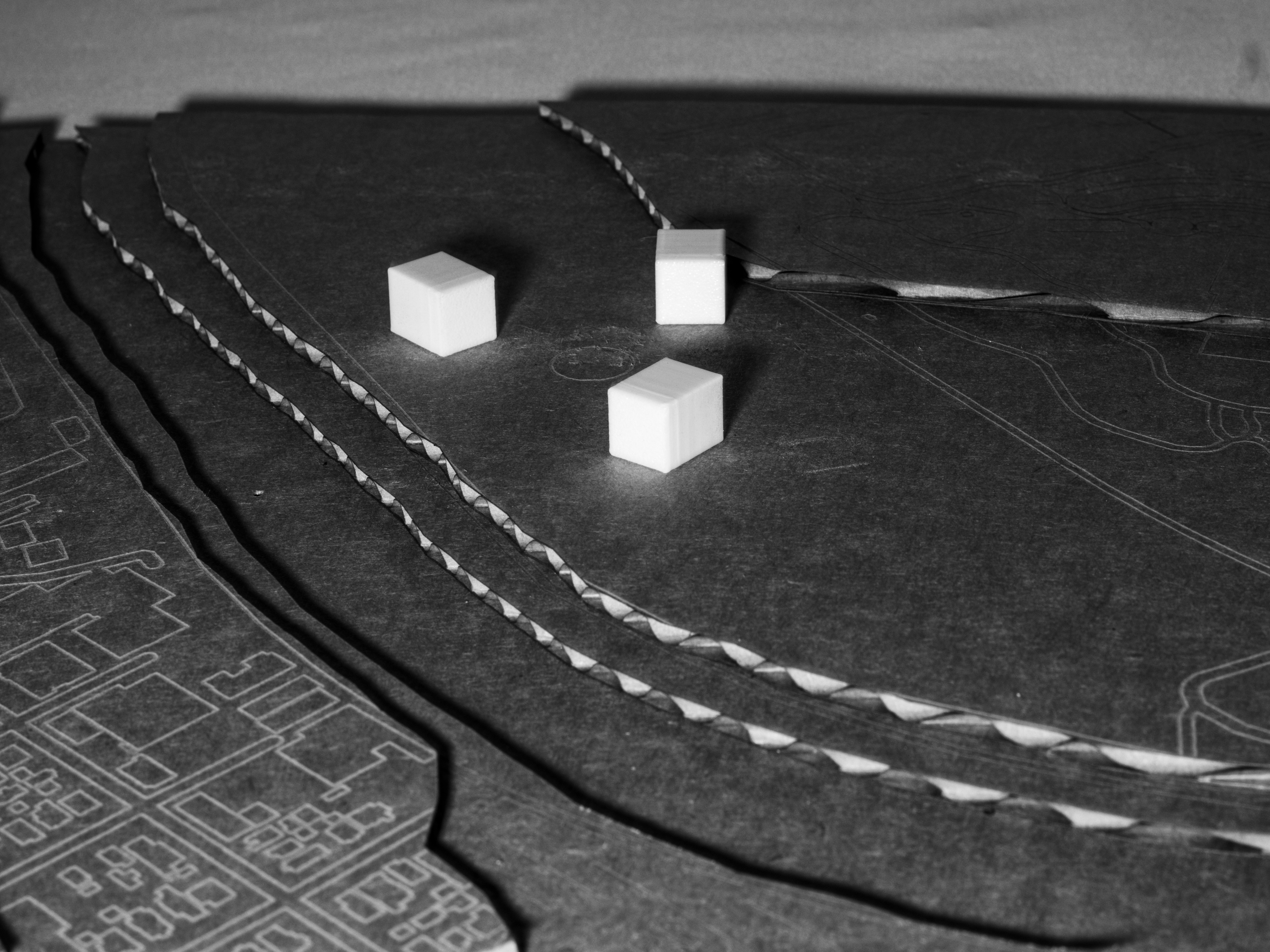
THESIS SITE
Los Angeles, a city of vibrant cinema, landscape and culture. Selected for its history and environment. The site itself dates back to the pioneering railroad trade and is subjected to previous interventions by the LA River and urban sprawl. Today the land faces another continuation in its series supporting three characters types.
LOCATION
Los Angeles CA
POSITION
34°05’52”N 118°14’21”W
POPULATION
3.9 M
FEATURES
LA River | Taylor Yard
AREA
42 AC
ELEVATION
305 FT
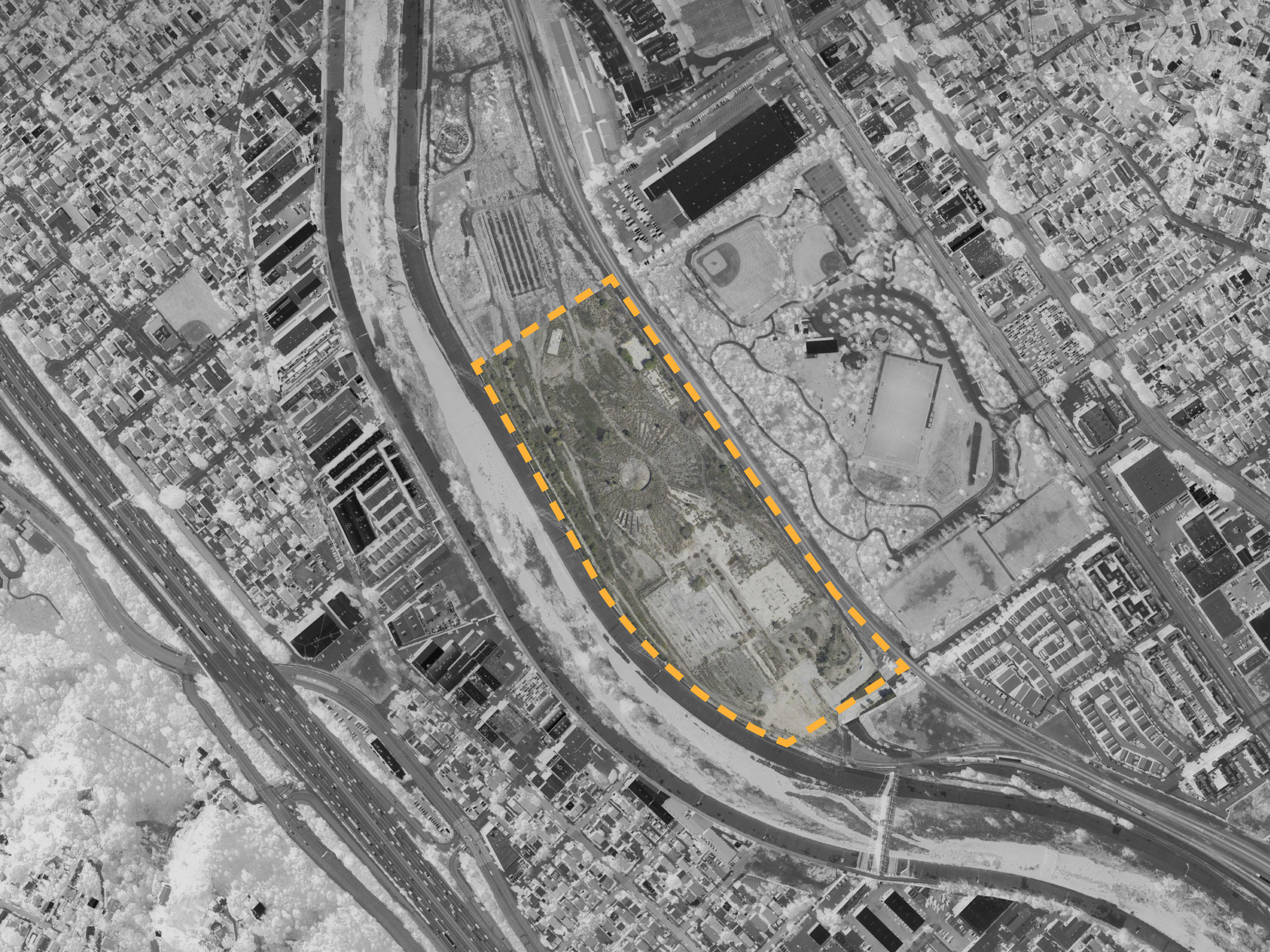
Modified image; original obtained from Apple Maps
OVERVIEW
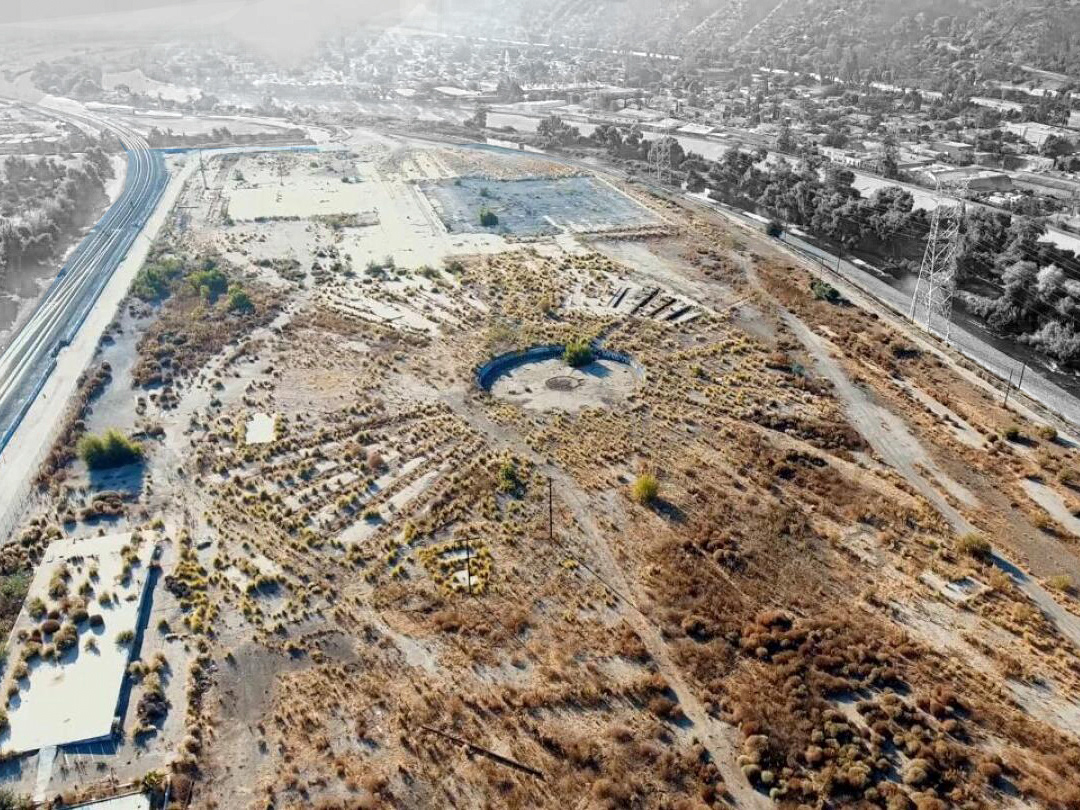
Taylor yard, once used to redirect and maintenance locomotives amid a relocation, now is up for thoughtful design intervention and consideration of its future use.
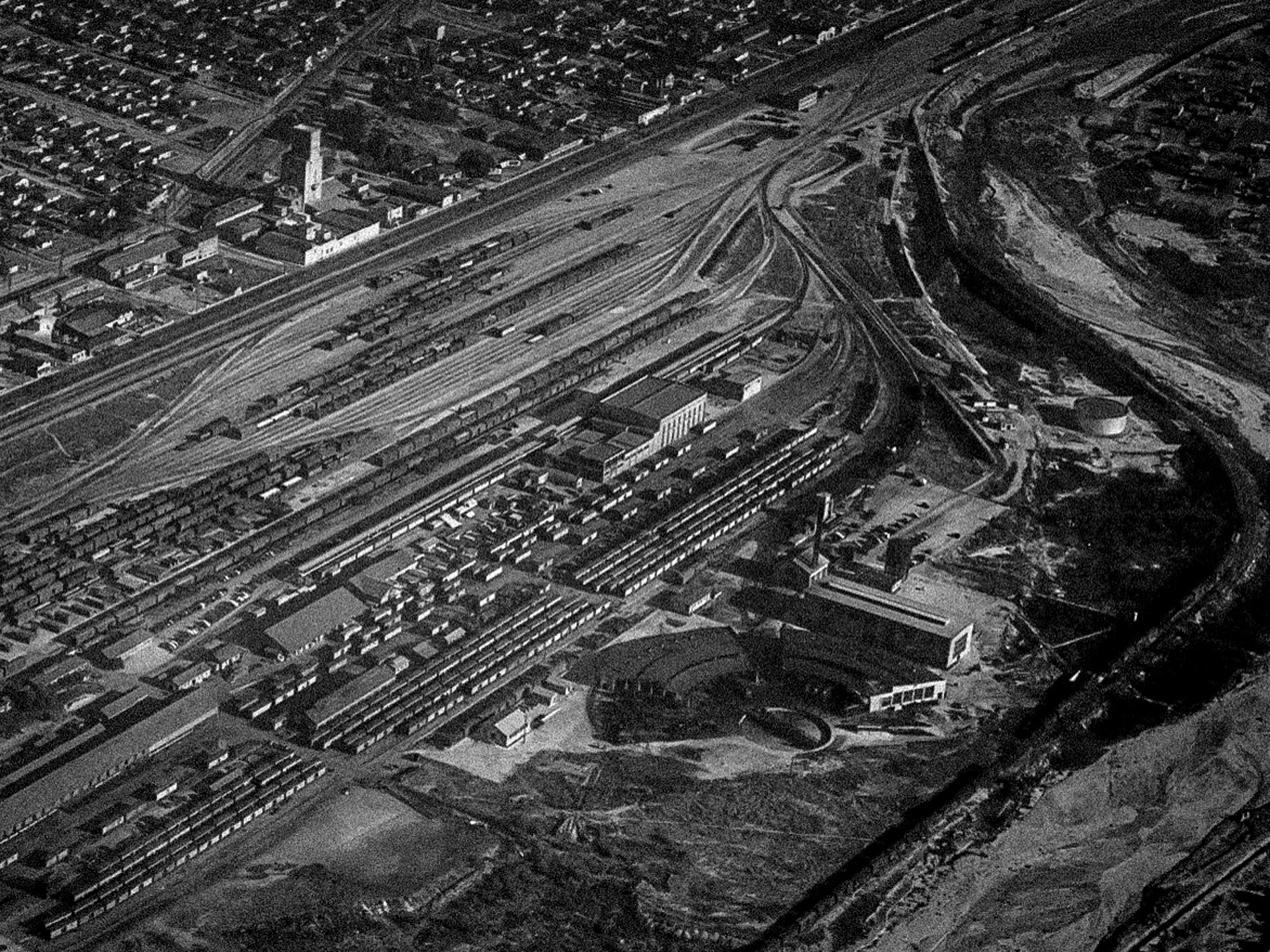
Southern Pacific Rail developed the site for servicing, loading and facilitating locomotives in the California trade industry dating back to 1931. Post 1985, planners and city officials have both wondered and proceeded with changes to the flattened land along the LA river, through a series of phases and community input. G2 Parcel/Taylor Yard is one of the last pieces of the of an 100 acre project that faces reuse, it trails behind construction of apartment housing, a magnet school and a strip of warehousing. Current strategies exist to preserve the land for nature-focused open space, water quality improvement and ecosystem restoration; all that remains is infrastructure to add to the communities knowledge and skill based learning that a Library, Archive and Workshop can provide. First, we must acknowledge the site.
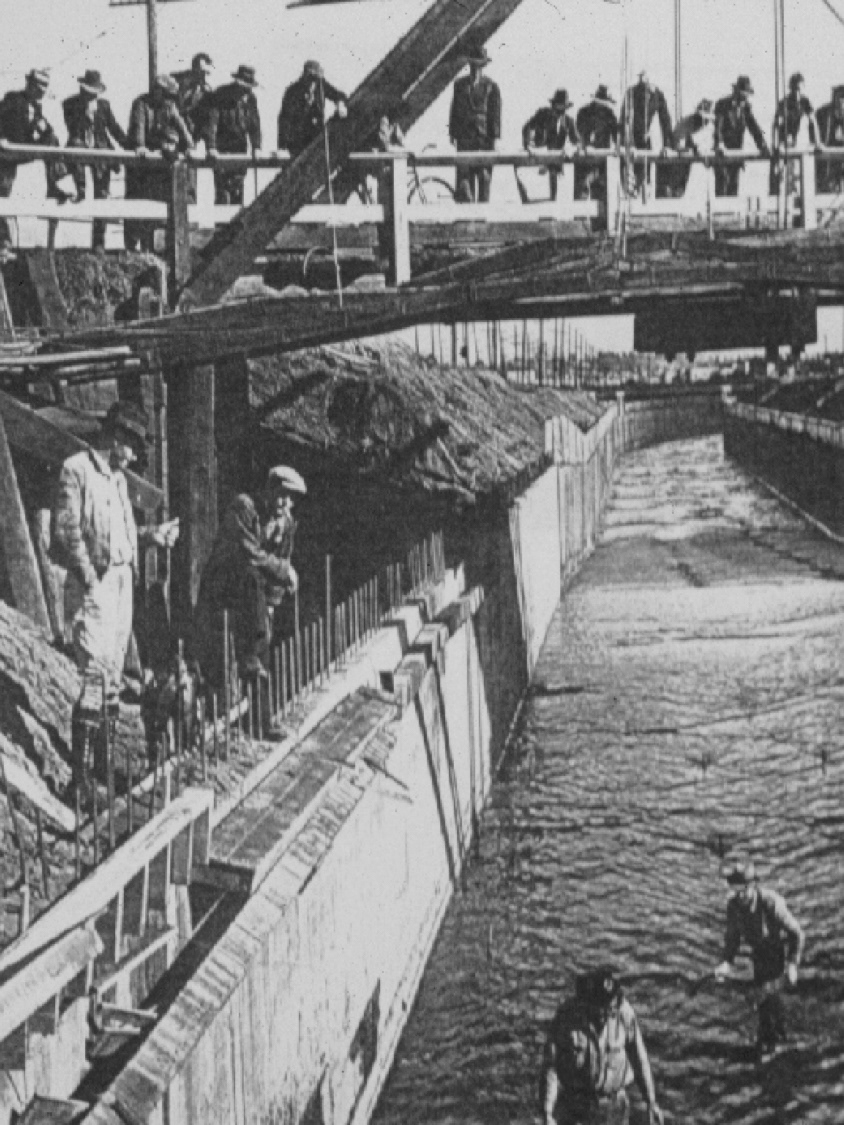
Image; obtained from The River Project
My father was born in Panama, a place I attribute to the sacrifices and physical labor endured in construction of the infamous Panama Canal. These interventions of the land are remarkable, costly but impactful. Lake Norman and Mountain Island Lake are man made lakes I attribute to my home, built to soften the risk of nuclear power in my community but constantly viewed for its beauty and recreational activity. Water is transformative and influential, maybe catalyst to certain lifestyles, but also a characterization to place; they are connectors to biodiversity and sites to constanlty explore. The LA River is dozens and dozens of miles long but having the river on this site was special. Its geographical appeal and its uncertainty.

Natural Features of LA: Fire, Floods, Mountains and Heat
A feature critical to the project was the existing turn style. From aerial photographs it is impossible to unsee, a huge proportionally-round hole; therefore its use was unavoidable. Since the beginning, it made an impact grounding the three programmatic buildings around a central axis, hinting to a historical past and rotational movement; establishing interest in dynamic movement and sequencing.
Modified image; original obtained from PBS
Modified image; original obtained from The River Project
PATH + JOURNEY
Pathways thoughtfully develop as thresholds to the "triad buildings" creating diverse in-between experiences emphasizing engagement with the site.
The idea of a paths connecting together buildings sparks a concern of mine with the little use of bridges within today domestic architecture. A bridge, a structure leading something to another something, requires a consideration of connection and direction. I believe architects should promote more connection and direction when designing large and small public spaces. Bridged might be distant focal points or conceive different perspectival views; most importantly they offer memorable experiences when exploring new and familiar places throughout seasons and time of day.
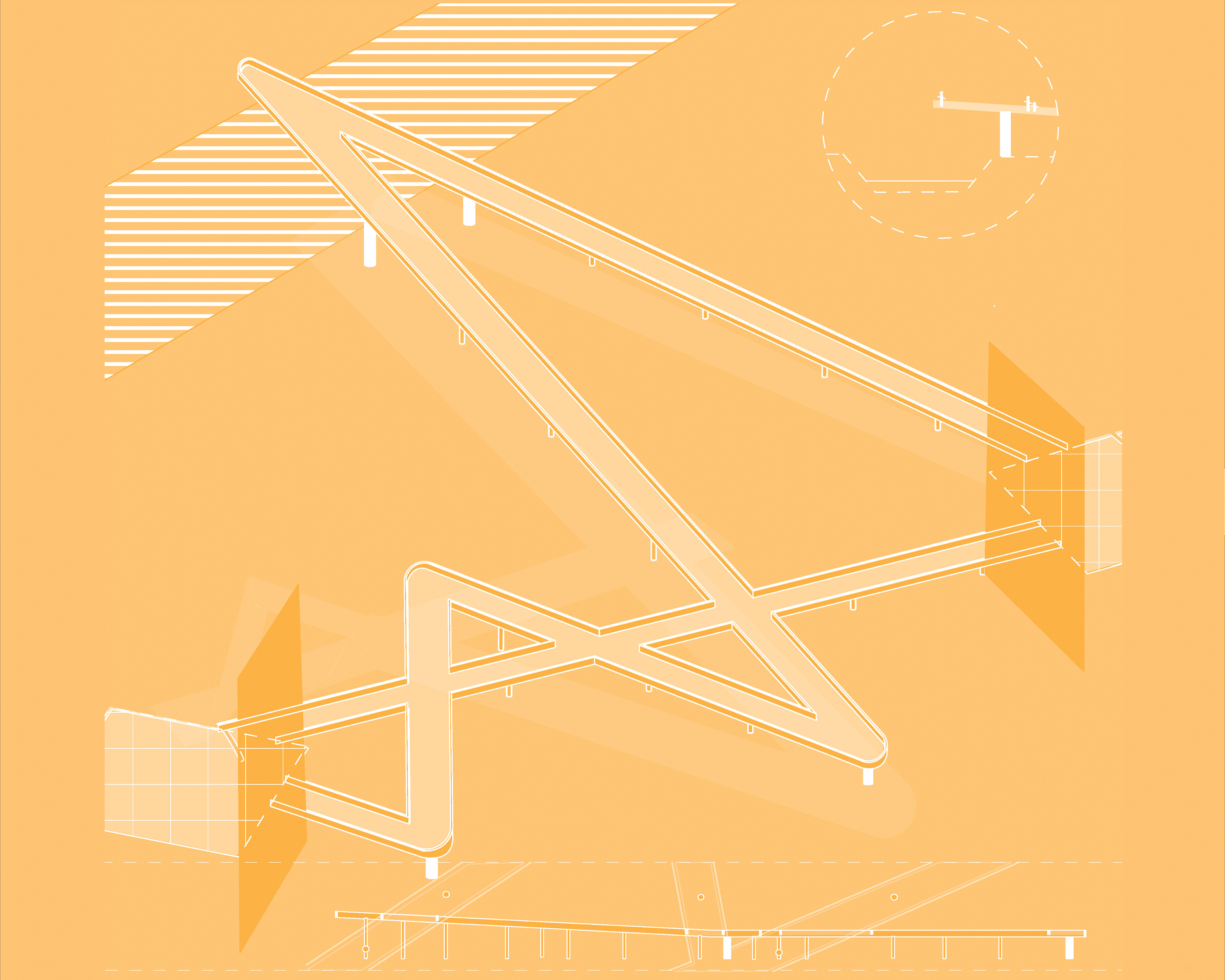
1 of 4 designed paths
ARRIVAL + SEQUENCING
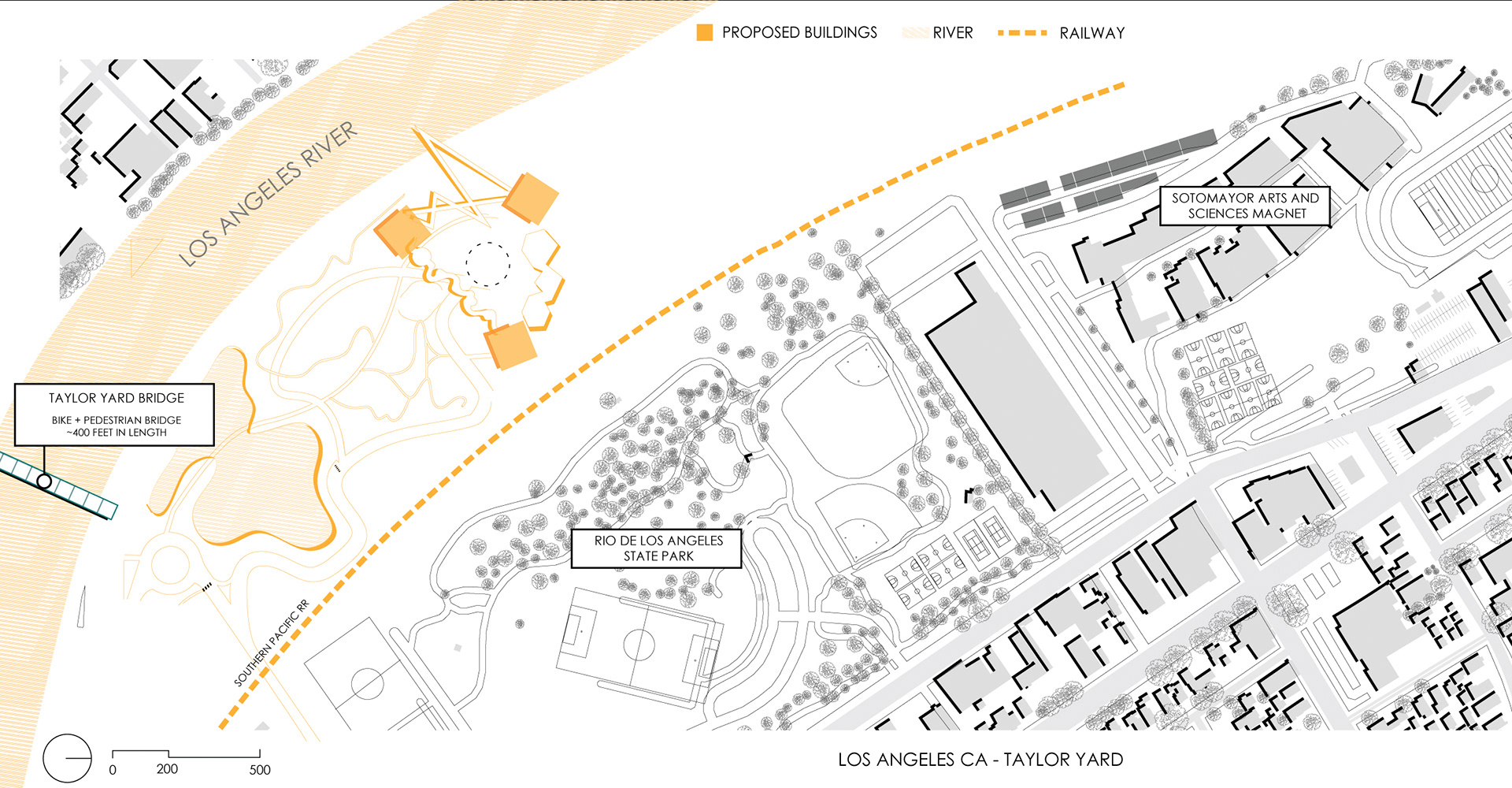
Entering at the southeast side of the site, you engage with two stages of man made terrain — symbolic of two outsider looking in features of Los Angeles: the river and the hills.
The idea of a paths connecting together buildings sparks a concern of mine with the little use of bridges within today domestic architecture. A bridge, a structure leading something to another something, requires a consideration of connection and direction. I believe architects should promote more connection and direction when designing large and small public spaces. Bridged might be distant focal points or conceive different perspectival views; most importantly they offer memorable experiences when exploring new and familiar places throughout seasons and time of day.
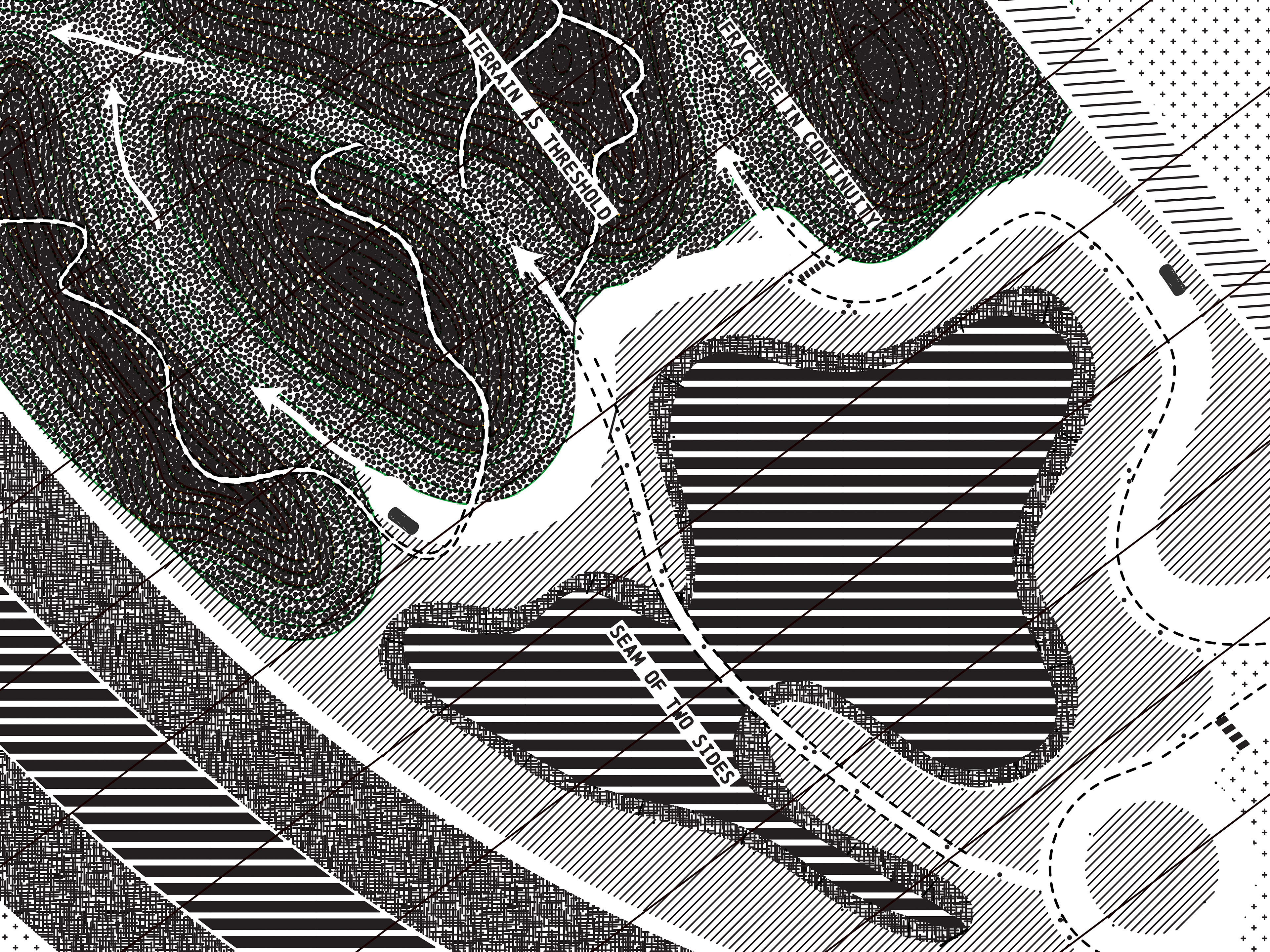
Please Note: Turn style is not illustrated in this graphical plan; illustrated is a roundabout with north facing up.
CONCLUSION
Architecture. What does it mean, or represent? Could it pose more questions that extend past the building's completion; questions that don't have finitive meaning but bring life more life — the living more living.
I spent time during thesis exploring concepts that I might never have the time to explore early in my professional career, why? Because most architects do not look at a building and think what extends past the buildings envelope. Maybe most architects are not allowed to because others are trained better for that responsibility. But the wonderful meaning of Architecture is that it generally has no singular meaning. Architecture? It might as well be written with a question mark every time; in school everything you do is questioned for purpose or praised for insignificance. In life our experiences shape who we are, so much it is very difficult to replicate within our framework of sameness. But Architecture? it should and shouldn't be what brings people together and farther apart, a controller and influencer that makes us question intent or ponder even caring of the intent. Might it be the study of thrill and uncertainty, maybe but whatever it is, architecture seems to be that one thing touches on so multidisciplinary, so multifaceted and so boring, that calling it boring doesn't make any sense.